(888) 737-7690

5 Reasons Hire JRS Investigations Child Custody in Bat Cave NC
Top 5 reasons to hire JRS INVESTIGATIONS for Child Custody issues in Bat Cave, NC:
-
- Documenting Suspected Neglect, Abuse, or Unsafe Conditions: If you have concerns about the other parent’s ability to provide a safe and stable environment for your child, a PI can discreetly gather evidence, such as photos, videos, or detailed reports, documenting instances of neglect, exposure to substance abuse or criminal activity, unsafe living conditions, or inappropriate behaviour. 5 Reasons Hire JRS Investigations Child Custody in Bat Cave NC include having professional support to compile this factual evidence, which can be crucial in proving the necessity of a specific custody arrangement in court.
- Verifying Adherence to Custody Agreements: If you suspect the other parent is not adhering to the current custody agreement, a PI can conduct surveillance and gather evidence, such as documentation of missed visitations or non-compliance with pick-up/drop-off times. This documented non-compliance can be used to seek a modification of the existing custody order.
- Background Checks and Lifestyle Assessments: PIs can conduct thorough background checks on the other parent and any new partners, revealing potential red flags such as criminal history, substance abuse, or financial instability that could impact custody decisions. They can also assess the overall lifestyle and home environment to determine if it is suitable and safe for the child’s well-being.
- Objective and Unbiased Evidence Gathering: Child custody cases can be emotionally charged, making it difficult for parents to gather objective evidence. A PI provides an impartial third-party perspective, gathering evidence without personal bias that can be deemed more credible by the courts. This can significantly strengthen your case and help the judge make a fair and informed decision in the child’s best interests.
- Assessing Parental Alienation and Emotional Impact: In some cases, one parent may try to alienate the child from the other parent, causing emotional harm. A PI can help identify signs of parental alienation through interviews and observations, providing evidence that can be used to address this harmful behavior in court and protect the child’s emotional well-being
Why are Child Custody Investigations Important?
-
Prioritizing the Child’s Best Interests:
The primary goal of these investigations is to ensure the child’s well-being and safety, providing evidence for the court to make informed decisions about custody and visitation. Prioritizing a child’s best interests means putting their safety, well-being, and development above all else, including decisions regarding custody, visitation, and other legal matters. This principle guides court decisions and parental actions to ensure the child receives the most beneficial environment and support for their needs.
-
Identifying Potential Risks:
Investigations help identify potential risks to the child’s safety and well-being, such as parental substance abuse, neglect, or abuse. In child custody investigations, identifying potential risks involves assessing a range of factors that could jeopardize a child’s well-being or safety. This includes evaluating environmental risks, parental behavior, substance abuse, mental health concerns, and any history of neglect or abuse.
-
Providing Objective Evidence:
Investigators provide unbiased and reliable evidence to the court, helping to ensure that custody decisions are based on facts and not personal biases. In child custody investigations, objective evidence like records, expense reports, and communication logs can be crucial for demonstrating a parent’s ability to provide for the child’s needs and maintain a stable environment. Avoiding negative remarks about the other parent and maintaining a respectful approach is also important.
-
Supporting Legal Proceedings:
The evidence gathered during a child custody investigation can be used in court to support a parent’s claim for custody or visitation. Supporting legal proceedings in child custody cases can be a complex process. Focusing on the child’s best interests, understanding the legal process, and maintaining open communication are key to successfully navigating this challenging journey.
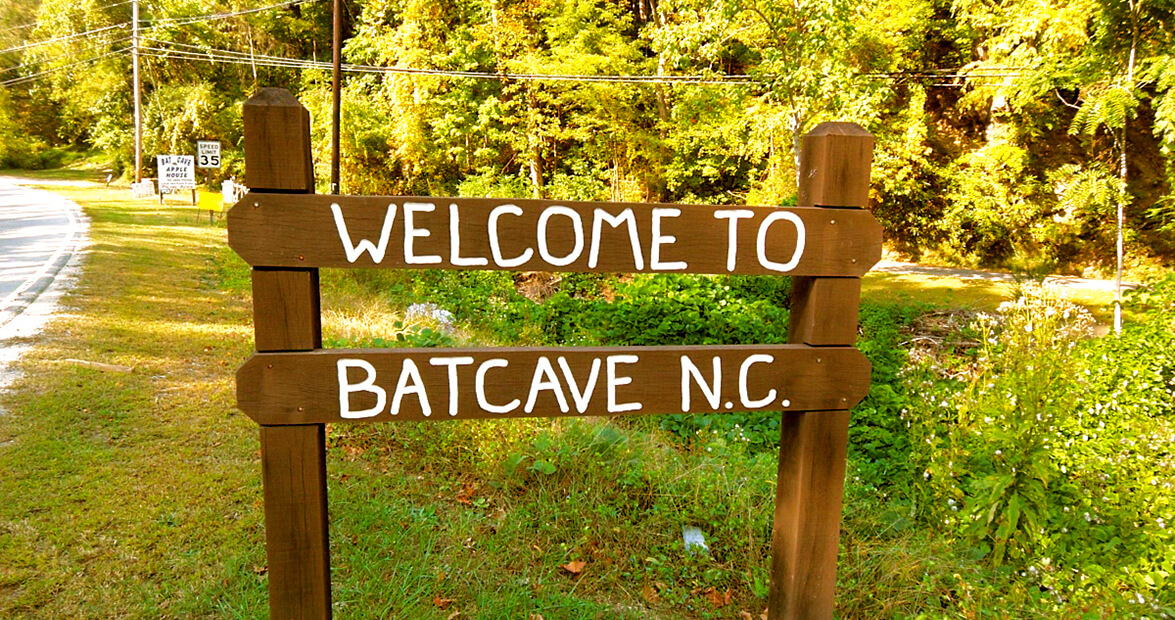
Bat Cave North Carolina Private Investigator / Bat Cave NC Private Investigations / Child Custody Marital Spousal Investigations Bat Cave North Carolina
Why Choose JRS Investigations in Bat Cave North Carolina
Measuring how good a PI is before hiring them isn’t always easy. But if the values of the private investigator match your own that’s a positive indicator they will be a good fit for your case. JRS Investigations prides itself on its ethical approach to detection. We are a professional team who care deeply about the rules and regulations of our work. JRS Investigators is a legitimate business with a strict code of conduct. We are fully compliant with confidential data processes and our specialist private investigators have worked at a top level in the United States Military. Everyone is highly aware of the complexities surrounding the world of private investigations and surveillance so you can rest assured your case will always be in the very best hands.
Private Investigators Bat Cave North Carolina
Bat Cave North Carolina Private Investigations
Child Custody Marital Investigators Bat Cave NC
Knowledge Is Power Call Now (828) 333-5090