
(888) 737-7690
How TSCM Bug Sweeps Work in Alaska | JRS
Technical surveillance countermeasures (TSCM) inspections are designed to assess a defined space for signs of unauthorized audio, video, tracking, or transmitting devices. In Alaska, the technical work must be paired with careful planning for distance, weather, transportation, building access, and the availability of power or communications.
This guide explains how a properly scoped inspection is planned, what methods may be used, what clients should expect in the final report, and the limits that apply to every TSCM assignment. Clients seeking service availability and a confidential consultation can visit the Alaska TSCM service page.
Start With a Clear Scope and Risk Assessment
A useful TSCM assignment begins before the technician arrives. The client and investigator identify the concern, the authorized locations, the devices or rooms involved, recent access by other people, relevant dates, and any unusual incidents. A home, hotel room, executive office, conference room, vehicle, or remote facility may require a different inspection plan.
The scope should also define what is not included. For example, a physical sweep of an office is different from a forensic examination of a mobile phone or computer. Clearly separating those services prevents unrealistic expectations and helps the client understand which specialists, permissions, and equipment may be required.
How a TSCM Inspection Is Conducted
A TSCM inspection combines a scoped visual examination with technical methods selected for the environment and reported concern. Depending on the authorization and assignment, this may include radio-frequency review, physical inspection, optical or thermal checks, and examination for electronic components. Every method has limitations; dormant, well-concealed, unfamiliar, or inaccessible devices may not be detectable under every condition. JRS documents the areas examined, significant observations, practical limitations, and recommended next steps. No inspection can guarantee that every device will be found or that a space will remain secure.
Visual and Physical Examination
The technician may examine agreed areas for unfamiliar objects, altered fixtures, unexpected wiring, disturbed surfaces, or components that do not fit the normal use of the space. The inspection should respect property boundaries, client authorization, and any restrictions established before work begins.
Radio-Frequency Review
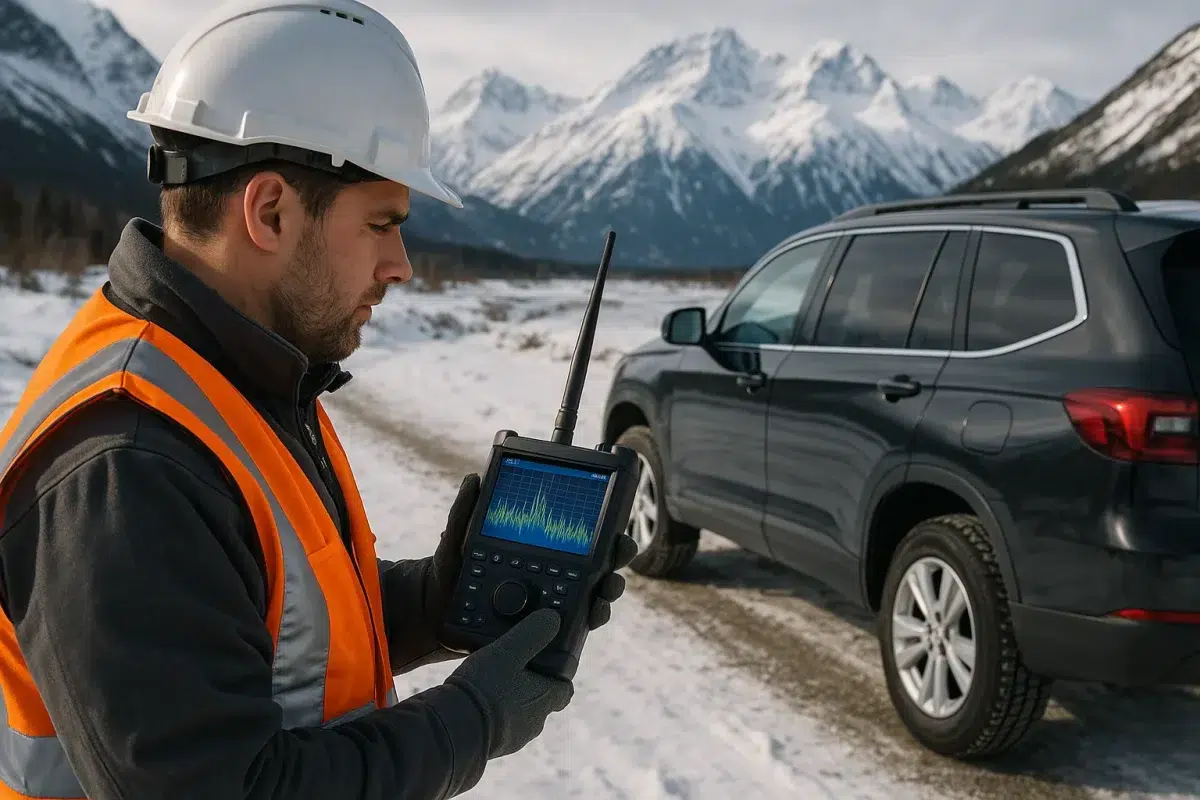
Radio-frequency analysis may help identify signals that warrant closer investigation. Buildings often contain legitimate wireless activity from phones, routers, security systems, Bluetooth devices, communications equipment, and neighboring properties. A reading alone does not prove that a surveillance device is present; it must be evaluated in context.
Additional Technical Methods
Depending on the environment and the agreed scope, an inspection may include non-linear junction detection, optical inspection, thermal review, or other methods appropriate to the reported concern. No single instrument can identify every possible threat, which is why trained interpretation and a documented, multi-step process matter.
Homes, Offices, Vehicles, and Remote Facilities
Each environment presents different access points and practical limits. Residential inspections may focus on living areas, home offices, bedrooms, entry points, networking equipment, or objects recently introduced into the property. Business assignments may include conference rooms, executive offices, workspaces, and other authorized areas where sensitive conversations occur.
Vehicle inspections can require access to the passenger compartment, cargo areas, exterior attachment points, and other agreed locations. A vehicle’s construction, modifications, electronics, and recent custody history may affect the inspection plan. Remote facilities may require additional coordination for keys, escorts, power, communications, and safe access.
Planning a TSCM Assignment in Alaska
Alaska assignments may require advance travel planning, equipment transport, facility access, weather contingencies, and coordination for remote communities. Coverage and response time depend on feasibility, lawful authority, local requirements, and the agreed scope. Availability should be confirmed during the consultation rather than implying an immediate local presence throughout the state.
Clients can help by identifying every location to be examined, confirming who can authorize access, preserving unusual items or communications, and avoiding unnecessary discussion of the planned inspection in a potentially compromised area. If an immediate safety concern exists, contact the appropriate emergency or law-enforcement authority.
What the Findings Can and Cannot Establish
A professional inspection can document what was examined and what was observed under the conditions present at that time. It may identify a suspicious device, a physical vulnerability, an unexplained signal, or an area requiring additional review. It may also find no evidence of a device during the inspection.
A TSCM inspection does not establish who installed a device, why it was installed, whether a person committed a crime, or whether a room will remain secure after the inspection. Those questions may require additional investigation, forensic analysis, legal review, or law-enforcement involvement.
Documentation and Recommended Next Steps
Before retaining a provider, ask what documentation will be delivered. A useful report may identify the authorized areas examined, methods used, important observations, limitations, photographs where appropriate, and practical recommendations. If a suspicious object is located, the response should account for safety, evidence preservation, client instructions, and applicable law.
Recommended next steps may include controlling access, changing procedures, reviewing newly introduced objects, improving physical security, obtaining device-specific forensic analysis, or scheduling a follow-up assessment when circumstances change. Recommendations should be tied to actual observations rather than generic promises.
Questions to Ask a TSCM Provider
- What areas, vehicles, and devices are included in the written scope?
- Which inspection methods are appropriate for the reported concern?
- What access, power, travel, or scheduling arrangements are required?
- How will legitimate wireless signals and normal electronics be evaluated?
- What findings, limitations, and recommendations will be documented?
- What happens if a suspected device or evidence is discovered?
- Which services require a separate digital-forensics specialist?
- What licensing, insurance, confidentiality, and evidence-handling practices apply?
Arrange an Alaska TSCM Consultation
JRS Investigations can discuss the reported concern, location, authorization, timing, and practical requirements before defining an assignment. For service details, visit our Alaska TSCM inspections page or contact JRS Investigations. Call (888) 737-7690 for a confidential consultation.