(888) 737-7690


Comprehensive Guide to TSCM Bug Detection Sweeps in Alaska
Comprehensive Guide to TSCM Bug Detection Sweeps in Alaska
TSCM Bug Detection Sweeps Alaska
Alaska Bug Detection Sweeps Investigations Services
Surveillance Detection Countermeasures RF Bug Sweeps Alaska
Knowledge Is Power Call Now (888) 737-7690
Imagine preparing for a critical negotiation in Anchorage, only to realize the privacy of your communications might be compromised. In a vast and strategically significant state like Alaska, ensuring absolute confidentiality is paramount. Advanced surveillance methods, from hidden microphones tucked in ceiling fixtures to discreet GPS tracking in vehicles, pose a real and evolving threat. Awareness and preparedness are essential — especially when it comes to specialised services such as TSCM DeBugging Bug Detection Sweeps Alaska, which blend technical expertise with local understanding to counter these invisible risks.
In Alaska, both businesses and individuals may be unaware of the vulnerabilities that modern espionage technologies introduce into their environments. For instance, a corporate executive holding confidential discussions in a meeting room could fall victim to a stealth surveillance device transmitting sensitive data in real time — a scenario that state-of-the-art counter-surveillance tactics are designed to prevent. Companies like Bug Sweep Investigators in Anchorage deploy multi-modal detection methods — including radio frequency analysis, non-linear junction detection, and thermal imaging — to uncover threats that ordinary consumer-grade devices simply cannot detect source.
To be effective, bug detection sweeps in Alaska must account for a variety of environments — from remote residential properties to urban boardrooms and even vehicles used in rugged terrain. For example, Ham Investigations offers specialized sweeps that extend to telephone and wiretap detection as well as GPS bug locating across homes, businesses, and mobile assets — acknowledging the unique legal considerations in Alaska around recording and surveillance source. This localized expertise underscores how technical precision and legal fluency must intersect to offer comprehensive protection.
The stakes are high. Whether safeguarding sensitive business negotiations, protecting private conversations in remote homes, or preventing unwanted tracking via GPS, relying on professionally trained TSCM specialists ensures not just detection but also prevention. As this article unfolds, we’ll explore how systematic tscm bug detection sweeps alaska work in practice — offering detailed case studies, expert insights, and actionable strategies to secure your privacy from interference, intrusion, or espionage.
Operational Workflow of a Thorough Bug Sweep
When engaging a TSCM specialist, the process begins with a detailed site profile evaluation. This involves assessing the environment—whether it’s a private residence, corporate office, or vehicle—alongside risk indicators such as recent security threats, unusual activity, or verified privacy breaches. In Alaska’s unique settings, for example, peripherally remote lodges or mobile command centers may be especially vulnerable due to their isolated locations and limited structural security. Initiating a baseline radio frequency (RF) survey is critical to establish existing device signatures and isolate any anomalies.
Following the preliminary assessment, professionals deploy an array of advanced detection techniques. Multi-modal methods—radio frequency scanning, non-linear junction detection (NLJD), thermal imaging, and physical inspection—are standard components of thorough sweeps, especially in Anchorage and surrounding areas where sophisticated counter-surveillance capabilities are essential. These tools can uncover both active and dormant eavesdropping devices, even when those devices are in standby or cleverly concealed JRS Investigations.
Case Illustration: Anchorage Corporate Sweep
Consider an actual corporate boardroom in Anchorage suspected of compromised confidentiality. A trained TSCM team first performs an RF spectrum analysis to detect any live or intermittent transmissions. If discrepancies arise—such as unrecognized frequency emissions—they proceed with NLJD scanning, which can reveal hidden electronic components, even if unpowered. Thermal imaging helps spotlight unusual heat signatures inside walls or equipment, guiding technicians toward concealed devices.
When a surveillance device is found, specialists meticulously document its location, functionality, and transmission characteristics. Detailed reports include photographic evidence, frequency logs, and precise device descriptions. These reports then form the basis for tailored remediation plans—whether that entails removing the device, securing the compromised area, or recommending architectural or procedural modifications to prevent recurrence. This structured approach ensures that the detection phase seamlessly transitions into practical, lasting solutions.
Integrating Multi-Layered Security Strategy
Instead of relying on one-time sweeps, forward-thinking clients often integrate ongoing monitoring systems. Continuous RF surveillance platforms, such as in-place wideband receivers, can provide real-time alerts if new transmissions emerge post-sweep—an especially valuable layer in high-risk environments. This multi-layered method strengthens both detection and deterrence by maintaining vigilance beyond the initial sweep.
Alaska’s geographic climate—ranging from urban centers like Anchorage to remote cabins or mobile command units—demands versatile strategies. TSCM professionals adapt by deploying mobile sweeps, portable detection kits, and satellite-capable monitoring tools where power and connectivity are limited. The flexibility to respond quickly across Alaska’s challenging terrain ensures that privacy is safeguarded wherever vulnerability arises.
As we continue, the next sections will explore detailed case studies and strategic policy implications, offering deeper insights into how to protect sensitive environments across Alaska using scientifically grounded and operationally proven TSCM bug detection sweeps Alaska.
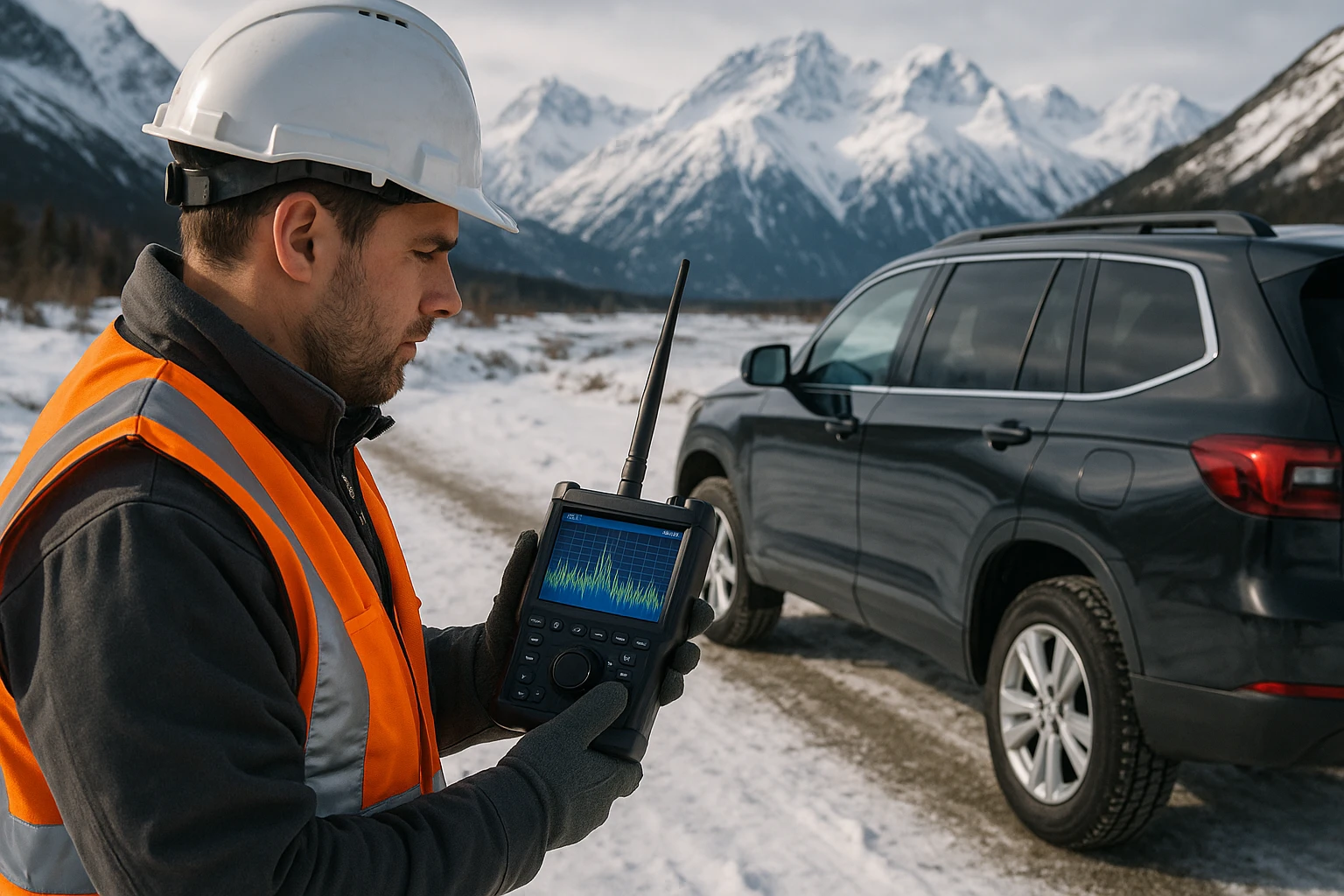
A technician in a rugged Alaskan landscape uses a handheld bug detection scanner beside a corporate vehicle parked on a snowy roadside, the device’s screen displaying frequency signals as a backdrop of mountains looms.
The Importance of TSCM Bug Detection Sweeps in Alaska
In today’s interconnected world, the threat of unauthorized surveillance intrusions is a pressing concern for businesses and individuals alike. TSCM (Technical Surveillance Countermeasures) bug detection sweeps in Alaska play a crucial role in safeguarding sensitive information from prying eyes. The unique environmental and logistical challenges of Alaska make these sweeps particularly vital for maintaining security.
Addressing Unique Alaskan Challenges
Alaska’s vast and varied terrain adds complexity to conducting effective TSCM sweeps. The state is characterized by remote areas, harsh weather conditions, and limited infrastructure. These factors necessitate specialized expertise and equipment to perform comprehensive bug detection sweeps. For example, helicopters may be required to access secluded locations where traditional vehicles cannot reach. This ensures that no area is left unchecked, regardless of how isolated it may be.
Real-World Applications and Case Studies
Many corporations and government entities operating in Alaska have benefited from TSCM bug detection sweeps. For instance, a notable case involved a mining company that discovered covert listening devices in its boardrooms. Such discoveries are integral to preventing espionage and ensuring competitive advantage. As JRS Investigations illustrates, partnering with skilled TSCM professionals is essential for identifying and neutralizing these threats effectively.
Expert Insights and Statistics
According to industry experts, the demand for TSCM services in Alaska has seen a steady increase, particularly in sectors such as defense, technology, and resource extraction. A report by the Center for Security Studies highlights that 68% of companies in high-risk industries have experienced some form of surveillance attempt (Center for Security Studies). Such statistics underscore the importance of regular sweeps to ensure the protection of proprietary and personal information.
Moreover, TSCM professionals leverage advanced technology to detect modern surveillance tools, which can be virtually undetectable by untrained personnel. This includes RF detectors and spectrum analyzers capable of identifying hidden cameras, microphones, and GPS trackers. By utilizing these sophisticated tools, professionals can protect against evolving threats in even the most challenging environments.
Practical Steps for Implementing TSCM Sweeps
To effectively conduct TSCM bug detection sweeps in Alaska, businesses are advised to develop a security plan tailored to their specific needs. This may involve regular audits, employee training, and collaboration with reputable TSCM providers. By doing so, they can mitigate the risk of surveillance breaches and protect critical information in the unique context of the Alaskan landscape.
Building a Robust Detection Strategy for Alaska’s Unique Challenges
Continuing from the foundation of tailored security planning, it’s imperative to integrate a multi-layered detection strategy when planning tscm bug detection sweeps alaska. Alaska’s vast terrain, extreme weather, and remote locations pose unique obstacles that demand both technological adaptability and operational flexibility.
Layered Detection Methodology
Adopting a systematic, staged approach significantly enhances detection efficacy. Begin with an RF mapping phase, distinguishing between benign electronic emissions—such as satellite communications or weather sensors common in remote facilities—and anomalous transmissions. For example, in Anchorage, professional services use comprehensive RF scans across all frequencies, combined with physical searches in offices, vehicles, and residential spaces, to ensure hidden bugs are uncovered, whether active or dormant JRS Investigators.
Next, employ tools like non-linear junction detectors (NLJD) and thermal imaging as part of a physical scan. These can uncover electronic components—even when powered off or embedded in objects—and detect heat signatures from active devices JRS Investigations. In Alaska’s cold climate, thermal imaging may particularly highlight hidden devices generating heat against the chilly surroundings—a real-world advantage in remote sweep operations.
Case Study: Anchorage Corporate Office Sweep
For instance, a corporate client in Anchorage suspected industrial espionage due to unexplained information leaks. A specialized TSCM firm conducted an RF sweep that pinpointed unusual signal activity in the conference room (amid frequent satellite data transmissions). Following up with NLJD and physical inspection, they discovered a concealed audio bug cleverly hidden in an AV cabinet. The detailed sweep report enabled the company to remove the device and strengthen security protocols, illustrating how layered detection and documentation workflows pay dividends.
Operational Adaptability in Alaskan Conditions
Weather and isolation in Alaska demand adaptive planning. Schedule sweeps during calm weather windows when signal-based scans are less likely to be disrupted by geomagnetic or atmospheric interference. In remote lodges or executive cabins, technicians should prepare mobile equipment setups and portable power sources. This ensures thorough in-situ sweeps without sacrificing accuracy in detecting micro transmitters, GPS trackers, or hidden cameras.
Post-sweep, you should receive a comprehensive report detailing findings, including any devices detected, signal logs, physical evidence, and **actionable recommendations**. These may include access control enhancements, regularly scheduled sweeps, or upgraded locks and shielding in privacy-critical areas.
Smooth Transitioning Toward Final Integration
With a robust detection strategy tailored to Alaskan conditions—combining technology, physical rigor, and operational adaptability—you’re now equipped to move into proactive hardening measures and ongoing surveillance planning. The next section will explore how to fortify your security posture, ensuring continued protection against evolving surveillance threats.
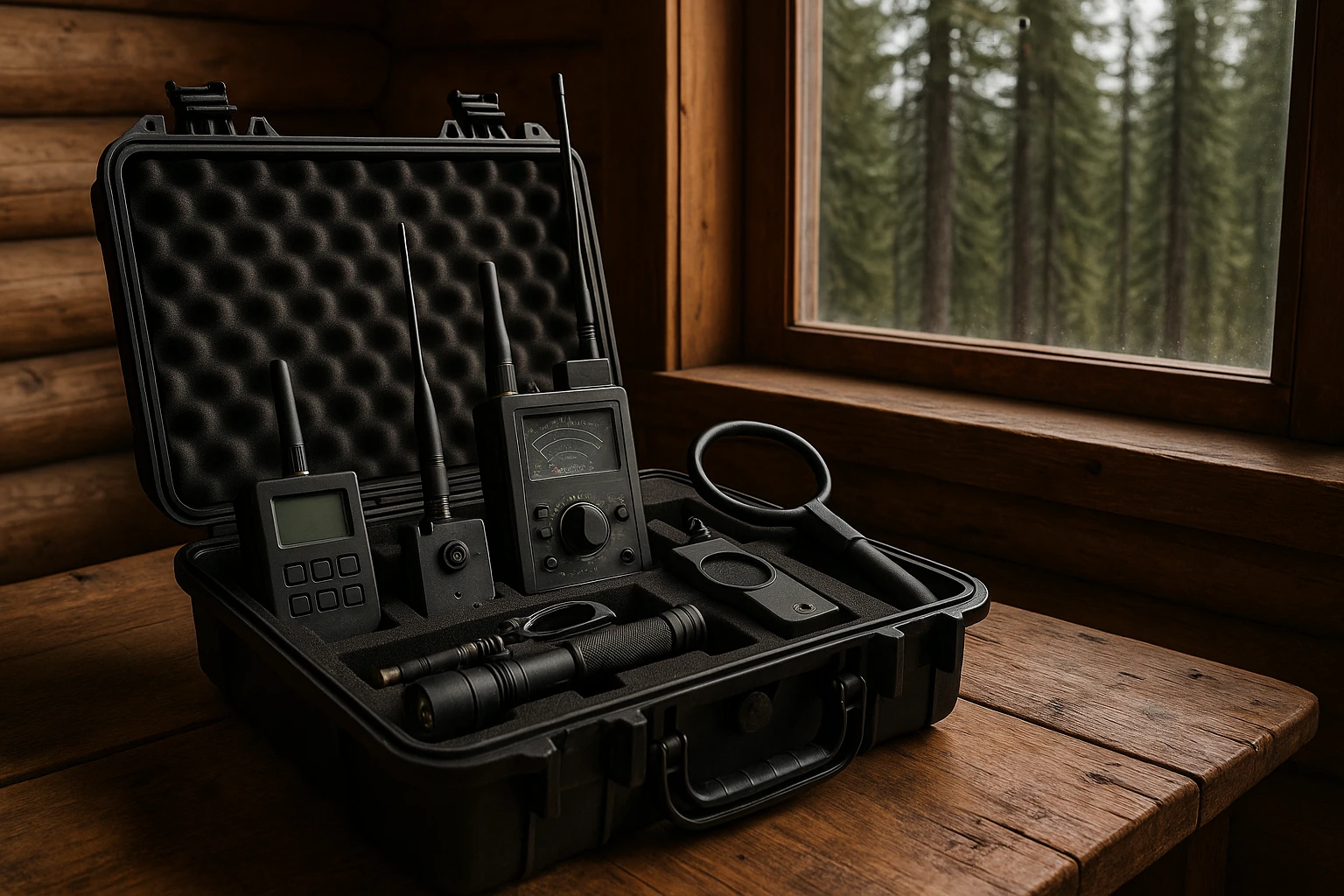
A close-up of a TSCM tool kit lying open on a wooden table in a rustic Alaskan cabin, featuring various detection devices with a view of dense pine trees visible through the window.
Conclusion: Ensuring Security with Expert TSCM Services in Alaska
TSCM Bug Detection Sweeps Alaska
Alaska Bug Detection Sweeps Investigations Services
Surveillance Detection Countermeasures RF Bug Sweeps Alaska
Knowledge Is Power Call Now (888) 737-7690
In an ever-evolving digital landscape, the importance of technical surveillance countermeasures (TSCM) cannot be overstated. With technological advancements, the risk of unauthorized surveillance increases, making rigorous TSCM bug detection sweeps in Alaska a necessity for businesses and individuals alike. The unique geographic and environmental challenges present in Alaska further underscore the need for specialized expertise in identifying and mitigating these threats.
Security professionals must remain vigilant and adaptive. Regular TSCM sweeps help in safeguarding sensitive information against espionage attempts. For instance, consider organizations in Alaska’s energy sector, where intellectual property and operational data are critical assets. These industries are prime targets for espionage, making periodic TSCM sweeps essential. By employing cutting-edge technology and experienced TSCM professionals, vulnerabilities can be identified and addressed proactively.
For decision-makers seeking reliable solutions, the process begins with recognizing potential threats and understanding the scope of TSCM services required. Experts employ a range of detection tools such as spectrum analyzers and non-linear junction detectors to uncover hidden devices. These comprehensive evaluations form the foundation for implementing effective countermeasures and fortifying security protocols.
Considering the complexity of potential threats, it is advisable to engage experienced professionals who understand local nuances and have a track record in the region. Tapping into verified resources, like JRS Investigations, can provide the expertise needed for comprehensive TSCM sweeps. Their extensive experience ensures a tailored approach, addressing the specific needs of Alaskan businesses amidst unique challenges.
To ensure your organization’s security, a proactive approach is necessary. Regularly scheduled TSCM sweeps and a commitment to staying informed about the latest surveillance technologies can significantly mitigate risks. With a trusted partner like JRS Investigations, you can fortify your defenses, ensuring peace of mind and the security of your most valuable assets.